Konterr
Brilliant and touching
KnotStronger
This is a must-see and one of the best documentaries - and films - of this year.
Yash Wade
Close shines in drama with strong language, adult themes.
Lucia Ayala
It's simply great fun, a winsome film and an occasionally over-the-top luxury fantasy that never flags.
atwardziak-17124
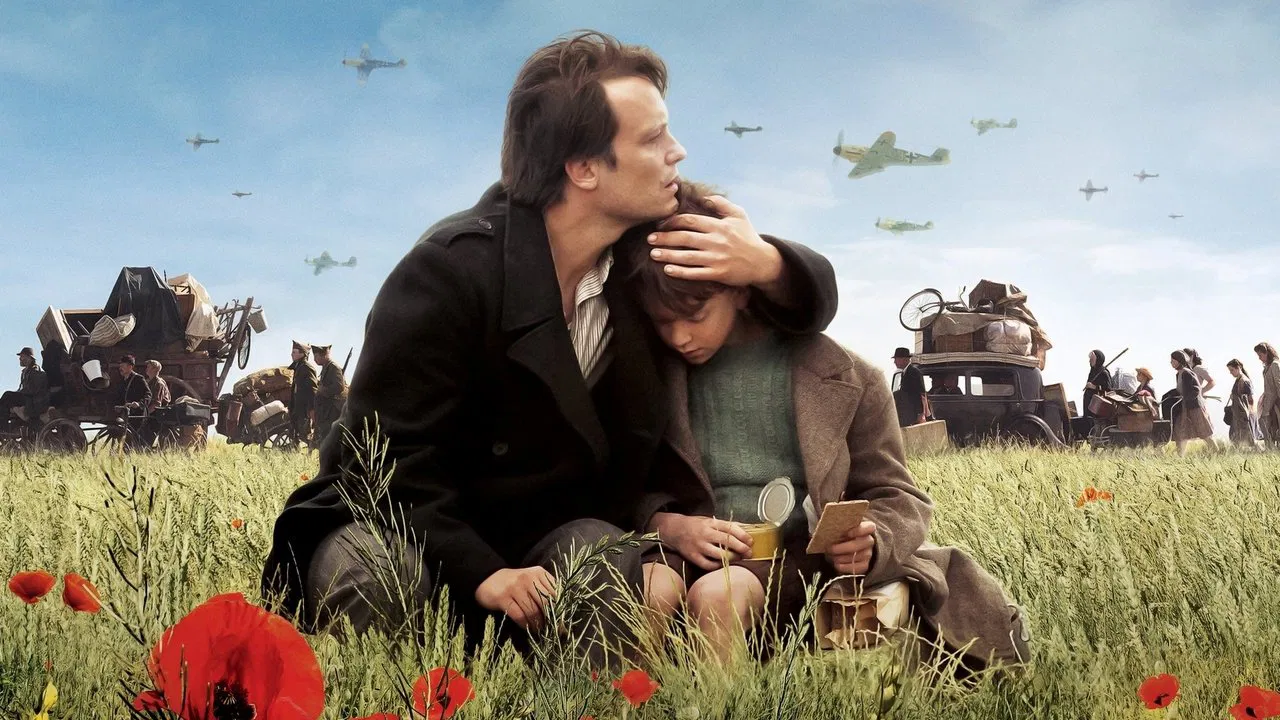
I was deeply moved by this film. Most war films focus on the combatants, or the horrible genicide of the Holocaust, but this one captured the plight of refugees reluctantly leaving their homes in a hopeless attempt to avoid occupation, as their region was in WW1.
The characters depicted totally captured my imagination. Their fear and suffering brought me to tears. My gauge of a very good movie is one where I completely forget I'm watching something on a screen. Acting, directing, cinematography, editing, musical score, and story...excellent.
Paul Allaer
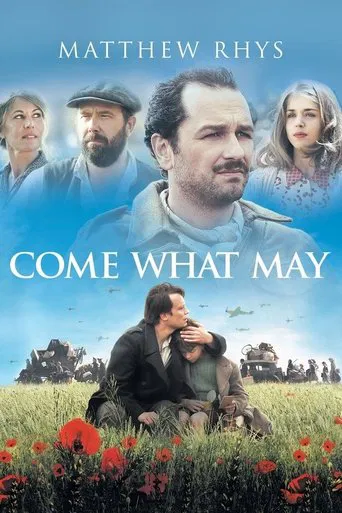
"En mai, fais ce qu'il te plait" (2015 release from France; 114 min.; US title: "Come What May") brings the story of a group of villagers in northern France. As the movie opens, we are reminded, while watching archive footage, that 8 million people were displaced in May, 1940, one of the largest displacements in history. We then go to "One Year Earlier in Germany", where we get to know a man and his young son. It's not long before they are fleeing the country, only to turn up in France, pretending to be Belgians. The man gets arrested by the French when they find out his real nationality, leaving the son in the care of a school teacher. As we get to May, 1940, the village mayor tells everyone to evacuate, from Pas-de-Calais to Dieppe, some 100 miles to the southwest. At this point we're 10 min. into the movie, but to tell you more of the plot would spoil your viewing experience, you'll just have to see for your yourself how it all plays out.Couple of comments: this is the latest movie from French director Christian Carion, best known for his Oscar-nominated WWI drama "Merry Christmas". Here he takes at a particular chapter in WWII, when millions of people from northern France tried to flee the invading Germans. Let me state upfront that I have no doubt it was a human tragedy. It's only that the movie doesn't come across that way until late into it. Indeed, much of the movie feels like a Sunday afternoon stroll in the countryside, with some wine and some dancing for good measure. It's not until the convoy gets attacked by German planes that it really feels like war is hell, and we feel some emotional connection to the characters. Indeed the last half hour of the movie is by far the best part of the movie. I wish that this level could've been achieved much earlier in the movie. There are some notable performances, including Alice Isaaz as the school teacher Suzanne, but real kudos to your young boy who plays 8 yr. old Max, and has speaking parts in both German and French (and impeccable in both languages). Last but certainly not least, there is a beautiful orchestral score by none other than the legendary Italian composer Ennio Morricone."Come What May" opened out of the blue at my local art-house theater here in Cincinnati this weekend, and I was eager to check it out. The Saturday matinée screening where I saw this at was attended okay but not great. If you have any interest in WWII movies, you may want to check it out, be it at the theater, or eventually on VOD or DVD/Bly-ray.
GUENOT PHILIPPE
This movie belongs to the batch of the few films talking about the Nazi invasion of France, back in 1940. The other one which I remind the most if Pierre Granier Deferre's LE TRAIN, back in 1973. Here, the story is quite different, but so moving too, even not so dark, desperate, although. It takes place in the north of France and tells the story of a large group of people who run away from their village houses and belongings, in order to escape from the German army forward march. Among those people, there is a little boy, the son of a German- but no Nazi - guy who escaped from his country several years earlier. You have here a poignant tale, gripping story and unfortunately sometimes cheesy too. But certainly interesting and so realistic, bringing a point of view about things really happened in those harsh times. I particularly appreciated the two German soldiers who were so frightened to fight and who finally died. And also the scene of the German propaganda crew setting up everything to screw the cinema audiences in Germany. These sequences are exquisite. That's the way those events happened, and so rarely shown. And I will finish by speaking of the great Ennio Morricone score. And also don't miss the ending credits showing old black and white pictures of those refugees, authentic anonymous people, for whom this film is a homage.